
Our
news

Annual Report 2021: Contributing to innovative and meaningful partnerships
Another year has come and gone. Our 2021 Annual Report looks back on a year of “Contributing to innovative and meaningful partnerships”. 2021 was the year of planning the future, thinking out of the box and consolidating CONCORD’s role in achieving equal, just and inclusive societies in a sustainable world.

Declaration of Digital Rights and Principles: A reality check
The European Commission’s proposal for a European Declaration on Digital Rights and Principles for the Digital Decade – an important milestone towards a foundation for our shared digital world – reflects a predictable unease.
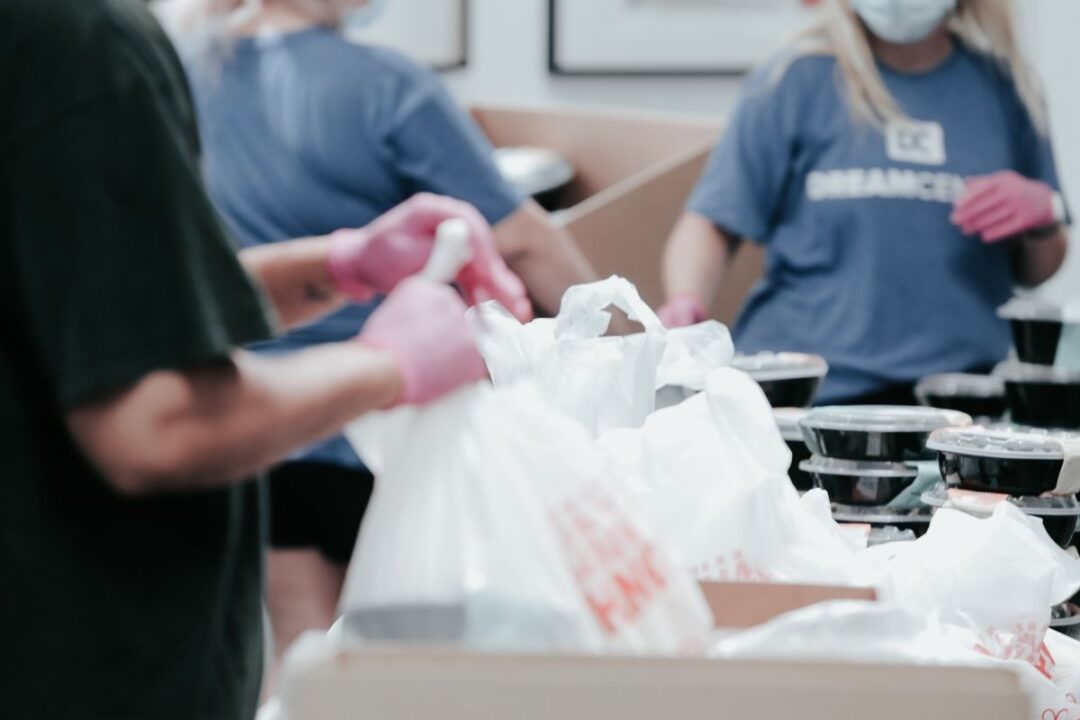
When the rubber hits the road … who are you going to call? Civil society’s fundamental role in times of crises
I am struck, again and again, by how governments of all colours and persuasions – but clearly some more than others – can question the role of civil society. And not just question our role, but actively undermine it.

EU ODA at a standstill: It’s time for action to counter the shockwaves of global crises
In an increasingly unpredictable world that is still countering the shockwaves of the global pandemic and compounding crises, EU ODA donors are still falling short on their collective and decades-old commitments to leave no one behind.

Nine trends shaping the year 2022
Inequality is growing, democracy is eroding, and acute distress is increasing, but at the same time people’s awareness and inclusion are increasing. What is needed now is dialogue, critical thinking and cooperation.

Is it time for a feminist approach to EU foreign policy?
As International Women’s Day comes around again, and the European Union is facing a historic situation with war at its borders, I’ve been mulling over, and talking with colleagues about, the merits of feminist foreign policy and wondering whether the EU should adopt one.

Statement: CONCORD stands with the people of Ukraine
CONCORD deplores Russia’s recent declaration of war on Ukraine and its unjustified attacks on Ukraine’s territory. CONCORD calls on Russia to withdraw its military forces from Ukraine and resort to peaceful dialogue to resolve any issues it may have.

Joint African-European civil society statement to all Heads of States and government dignitaries attending the 6th EU-AU Summit
200+ CSOs from Africa and Europe, representing citizens and people, have signed a Joint Declaration urging governments and institutions to rectify the lack of inclusivity and transparency of the sixth European Union-African Union Summit.

Is civil society losing out in institutional behind-the-scenes power play?
The EU-AU Summit is a mere three weeks away, but civil society has been shut out from having any real influence over the shape or likely outcomes of the Summit. Our Director reflects on EU institutional behind-the-scenes power play and how it can affect civil society involvement.

In memory of David Sassoli, European Parliament President
We are saddened by the sudden departure of a generous leader who fought hard for the European Union and was a true friend to civil society. May he rest in peace.

Op-Ed: Aligning the Social Economy Action Plan with the EU’s international partnerships
Europe’s new Social Economy Action Plan cannot be an ‘add-on’ to the mainstream economy that cleans up the mess that profit-maximising businesses leave behind after they’ve made their money, but become the new mainstream as part of the necessary transition to sustainable production and consumption patterns.
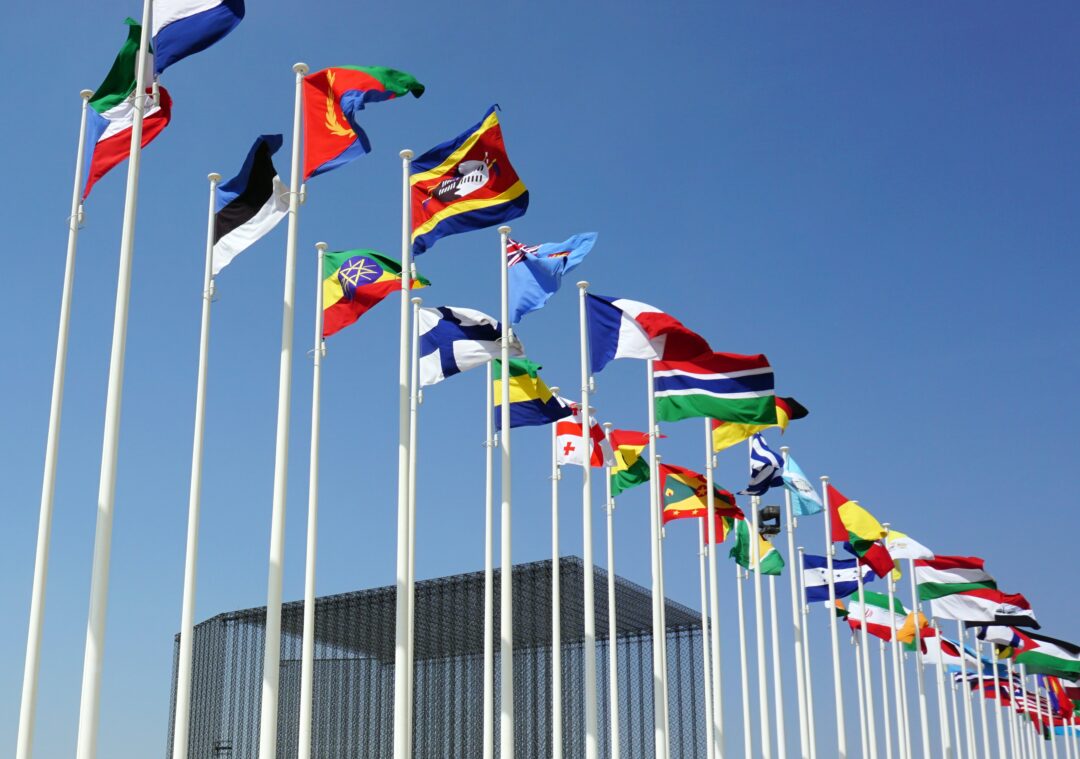
Will another chance for the EU to deliver on its promises go to waste?
The fifth UN Conference to support Least Developed Countries (LDC5, as it’s known) is around the corner. This is another moment – following hot on the heels of the disappointing COP26 – when the EU must step up. Given the extremely difficult situation that LDCs are facing, the EU must not only meet previous pledges but go further. Unrealistic? Maybe. Necessary? Definitely.

The future is digital, but what if digital is rigged?
The latest revelations around Facebook have proven the scale of their misdeeds. What does this mean for an already shrinking civil society space? And who should be held responsible? The future is clearly digital. But that future must still respect human rights… and currently that is in the balance. That is why the EU’s efforts to curb the powers of such companies are so important.

Press release | A geopolitical Commission: Building partnerships or playing politics?
The global development landscape is in a state of flux, but the European Union and its Member States’ inaction to achieve its commitments remains constant.

Europe in the World: a game of chess or snakes and ladders?
Our Director assesses the latest State of the Union speech and reflects on how Europe is so busy playing catch-up that it fails to have its own gameplan. Which, as ever, results in people losing out.
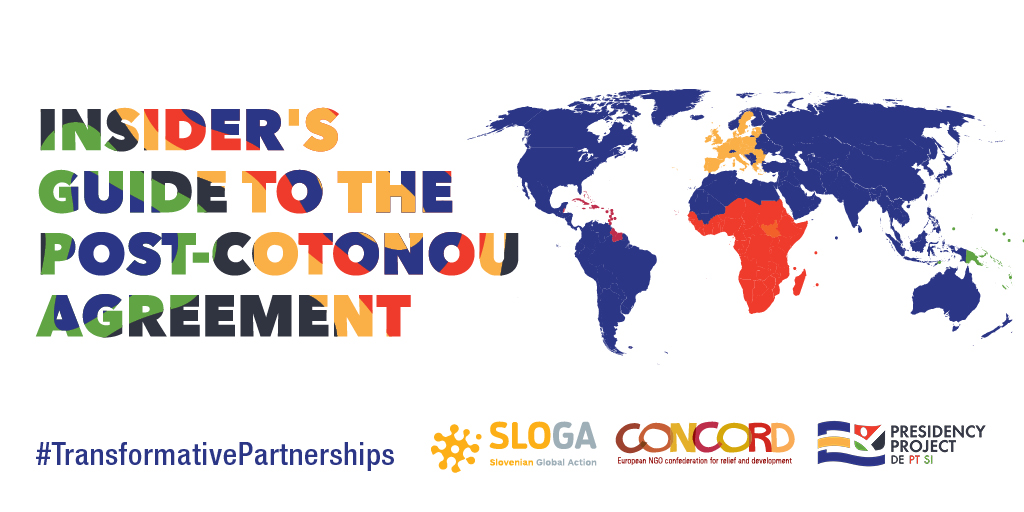
Insider’s Guide to the Post-Cotonou Agreement
This guide, addressed to Civil Society Organisations in EU and African, Caribbean and Pacific (ACP) countries, pinpoints the crucial sections in the negotiated text of the Post-Cotonou Agreement and shows what CSOs themselves can do in terms of advocacy to influence the implementation of the Agreement.

Has aid become part of the problem, rather than a solution? Where did we go wrong?
In this month’s blog, our Director assesses the last Council Conclusions welcoming the fact that they address human development but regretting, once again, bland and repetitive commitments, as well as lack of new perspectives on aid.
Co-creating our future: General Assembly 2021
Our General Assembly 2021, brought our Confederation together, virtually once again, from all corners of Europe. The two days provided a key moment for us to look back at what we have achieved and look forward to our future, together.

Time for a new global development ecosystem?
In this month’s blog, Andrea Ordoñez, Director of Southern Voice, shares her reflections on a new role for INGOs. What would a new system look like? And, how can INGOs adapt to a more equitable development system? For sure this will require a proactive shift in power relations.

A call to safeguard public services and sustainable businesses in Least Developed Countries
Social sectors are key buffers against slipping further into poverty against exacerbating inequalities in times of crisis. However, blending operations prioritise investable rather than social sectors, posing particular risks to LDCs. This paper examines the modalities that are best suited for LDCs to achieve the crucial SDGs.

Setting the highest standards for Global Europe implementation
Global Europe – the new EU development cooperation instrument – will be implemented in a context of 80 million people globally facing long-term forced displacement. This number is expected to increase due to climate crises, conflicts and food insecurity in the near future. Our recommendations are setting the highest standards for Global Europe implementation.

Writing the story of 2026, together
As CONCORD prepares its new four-year strategy, our Director reflects on certain changes in the international arena – including the EU’s role – that the pandemic particularly brought to light or reinforced, while directly impacting on our ability to realise our most basic rights. All these changes mark a leap towards a future in which transformative, systemic change and the goal of a more equal world become significantly more difficult to achieve.
EU ODA up, but far from levels promised and needed amid international crises
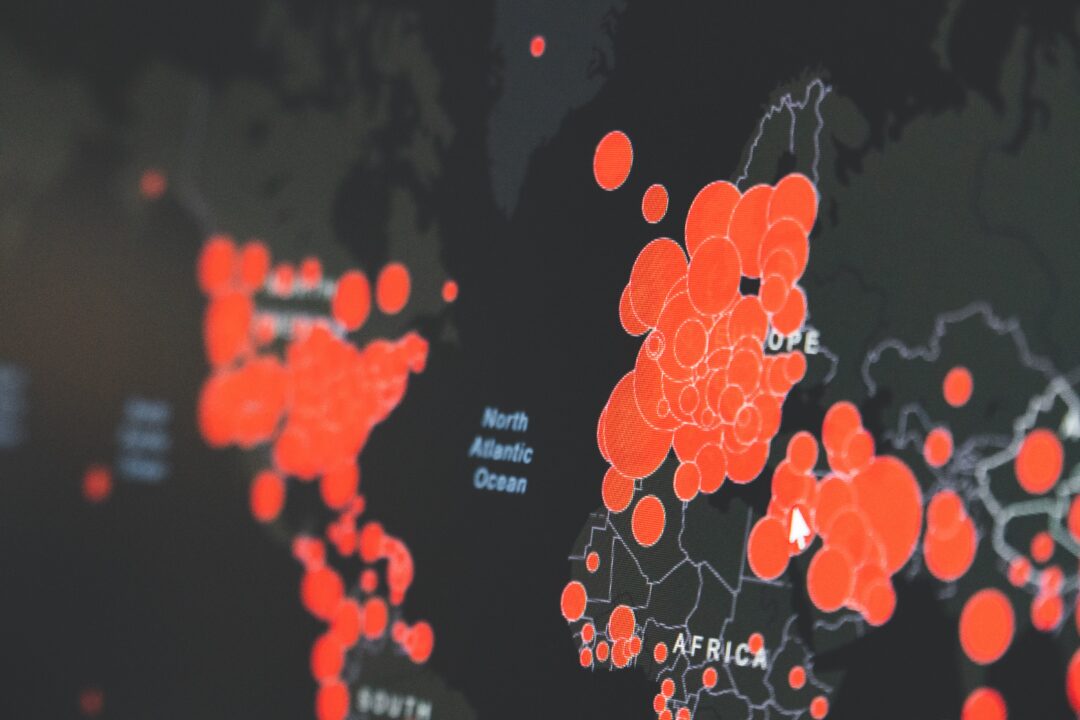
The figures offer the first tangible evidence of the global pandemic’s impact on EU ODA. In absolute terms, according to the OECD DAC, EU aid increased by 7.8% (72.7 billion USD) compared to 2019. However, this rise is mainly the result of a fall in GNI prompted by the global pandemic.

Rethinking the world: It’s going to take more than “new lenses”
Our Director reflects on how we need more than using “new lenses” to address the deeply rooted problems in our food system. Only by putting in place profoundly new ways of working and thinking will we be able to ensure far greater well-being and freedom within our systems.