
Our
news

Migration is not a problem to be managed, the real concern is inequality
Much of the current migration from developing countries to Europe — when not responding to immediate threats such as conflict, political persecution, famine and instability — is just a symptom, among many, of the massive social and economic gap that exists between certain regions of the world.
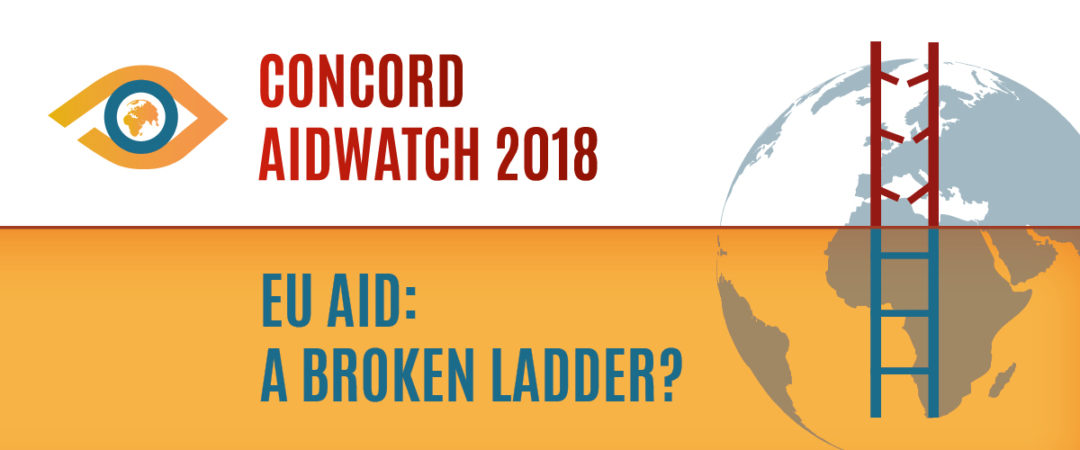
AidWatch Report 2018: inflated, decreasing and diverted EU Aid
For the first time since 2012, the EU’s aid spending decreased in 2017. This means, at the current rate of growth, the EU would need another 40 years to meet the 0.7% ODA/GNI target, reveals CONCORD AidWatch Report 2018.
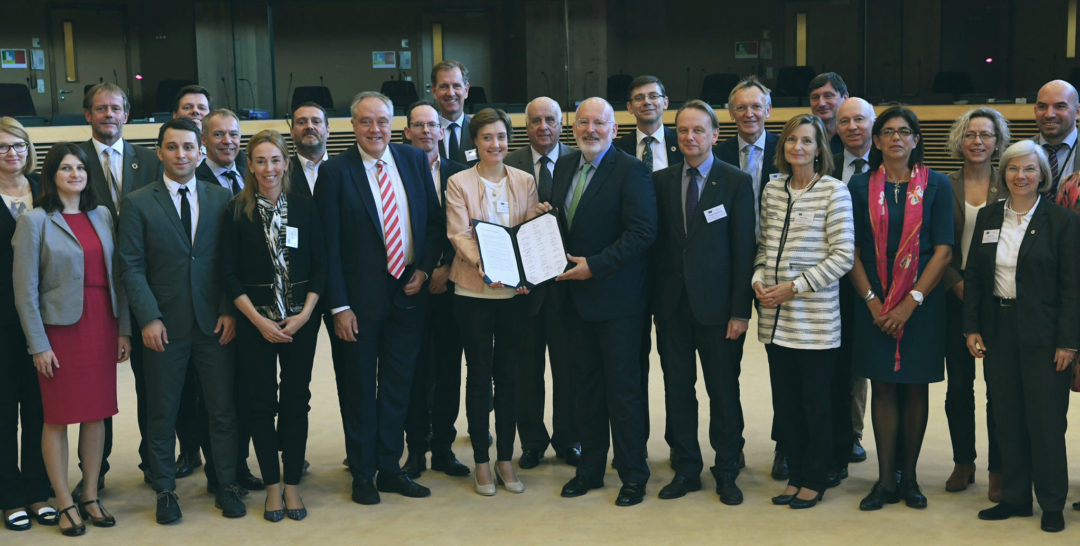
Sustainable EU by 2030: EU Multi-Stakeholder Platform adopt common proposals
30 high-level members from the EU’s Multi-stakeholder Platform on SDGs adopted common proposals from civil society to move towards a Sustainable EU by 2030. Amongst a variety of backgrounds and constituencies, we found common ground to push forward together.
Is development going digital?
Digitalisation is becoming a vital part of our world, and by extension of development cooperation. It represents new challenges and opportunities for our sector. This report, commissioned by FOND Romania and CONCORD Europe, analyses key digital trends and impacts of digitalisation on the development agenda as well as explores the opportunities for civil society organisations.

Sustainable development must guide the successor Cotonou Agreement
The European Commission has officially launched negotiations with the African, Caribbean and Pacific countries (ACP) on a new partnership agreement to succeed the Cotonou Agreement. This represents an opportunity to build people-centered cooperation as equal partners but, there is concern about the narrative of Africa being portrayed only as Europe’s trade and economic partner.

SDGs’ implementation: Good practices from across Europe
Many EU and its Member States are implementing the global 2030 Agenda for Sustainable Development in an innovative way. Therefore, CONCORD shares these good practices from across Europe to inspire each other on how to implement the SDGs.
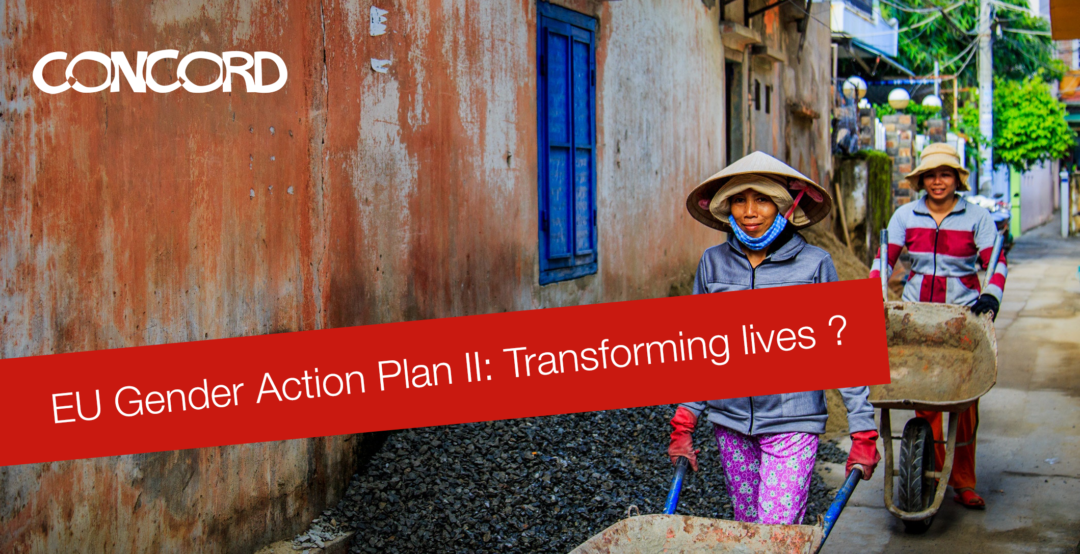
EU Gender Action Plan II: transforming lives?
Is the EU Gender Action Plan II actually transforming the lives of women and girls in the world? With this report, CONCORD aims to demonstrate how the EU Gender Action Plan 2016-2020 is being implemented. Based on in-country research in Rwanda, Vietnam and Ghana, this report provides concrete recommendations on how to bring about a more impactful implementation of the GAP II.
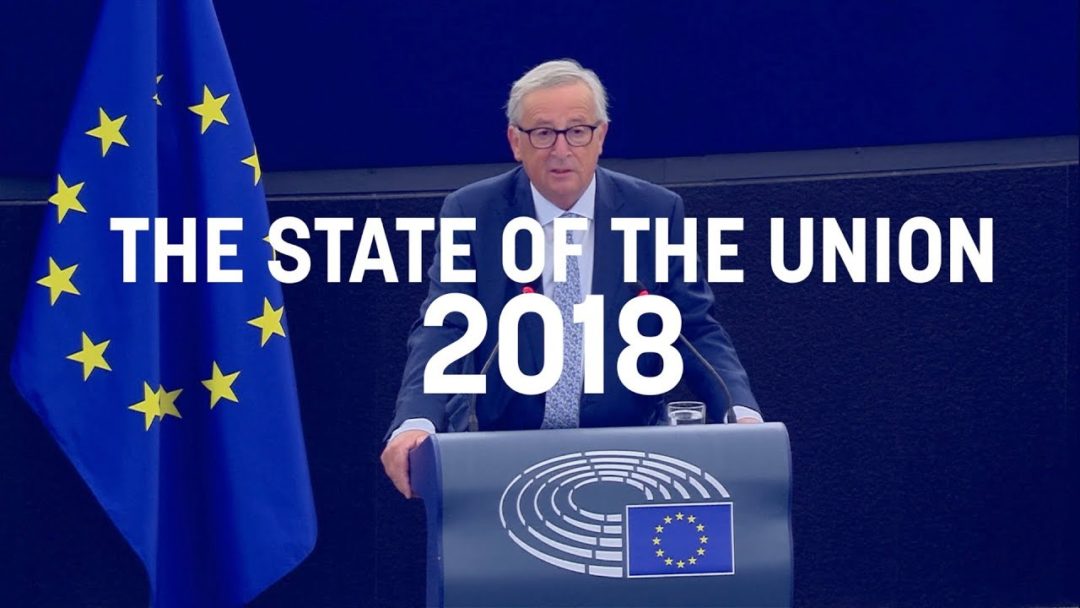
CONCORD’s reaction to Juncker’s speech “State of the Union” 2018
Following Juncker’s speech “State of the Union 2018”, CONCORD reacts to the new ‘Africa – Europe Alliance for Sustainable Investment and Jobs’.

Rilli Lappalainen: how can we measure coherence?
Policy coherence for sustainable development is finally starting to break through both in political documents and speeches. This blogpost presents Rilli Lappalainen’s feedback on the High-Level Political Forum 2018 to provide insight on the progress done in policy coherence for sustainable development.
CONCORD’s position: assessing the flow of external migration funding
On 19 June 2018, the Committees on Budget, Budgetary Control, Foreign Affairs and Development jointly organised a joint hearing for assessing the flow of external EU migration funding. Fanni Bihari, from ACT Alliance EU, represented our Confederation in this public debate aiming at assessing the flow of current expenditure on the migration-related projects and the EU Trusts Funds.

European Council’s measures on migration: ineffective, costly and against human rights
The political directions endorsed by the European Council to continue lowering the number of migrants’ arrivals to Europe are concerning; and may easily be proven to be ineffective and a breach to founding European values.
Reporting back from CONCORD General Assembly 2018
Our 15th General Assembly gathered our members in Brussels in June 2018, marking several important milestones for our Confederation: new statutes, renewal of half the board and new financial guidelines. Our collective discussions on the 2019 EU elections and the future EU budget were intense, but rewarded by a festive celebrations at the end of the first day.

EU budget: development aid blended with foreign policy objectives
Today, the European Commission released the legal framework for the external funding instruments of the Multi-annual Financial Framework 2021-2027. CONCORD raises concerns that unproven investment schemes and migration control will overshadow the EU’s commitments to promote human rights, sustainable development and the fight against poverty.
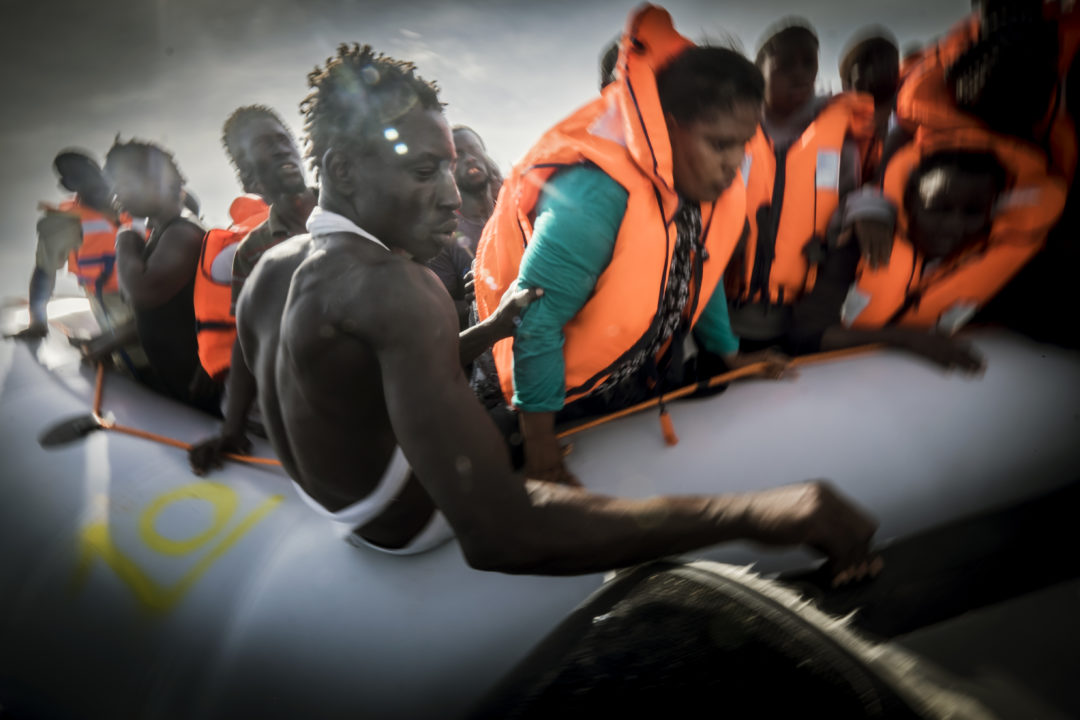
Aquarius case: we stand for a Europe of global solidarity
Migration experts of CONCORD Europe strongly condemn the decision of the Italian government to close the harbours for the reception of migrants rescued in the Mediterranean and ask all Member States to share the reception by opening their harbours, as done by the Spanish government, and by opening new regular pathways.
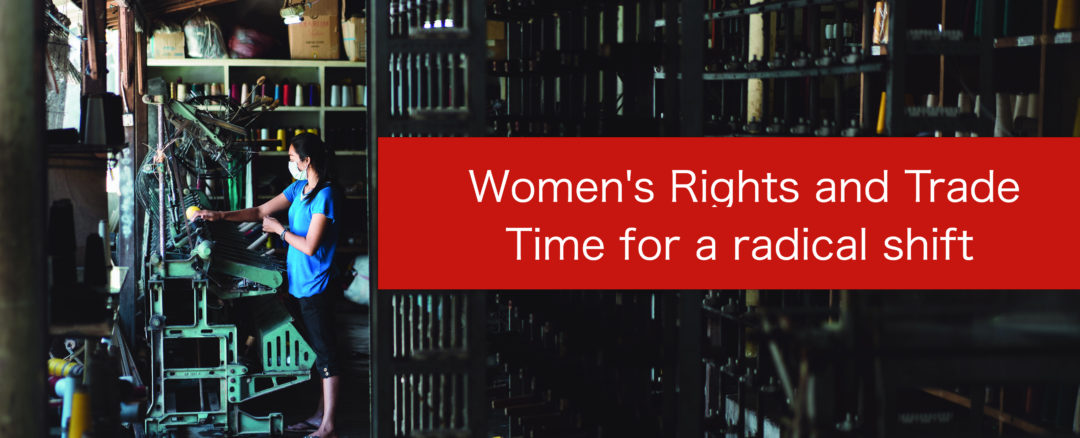
Women’s rights and trade: time for a radical shift
Gender is receiving increasing attention in trade agreements, but no EU trade policy is gender-neutral. In this publication, CONCORD and WIDE+ call for and explain why a fundamental shift is needed towards a EU trade policy, which should give as much importance to human rights and environmental standards as to economic indicators.
DEVE Committee meeting: what does the future EU budget mean for development cooperation?
On 16 May 2018, CONCORD spoke at the DEVE Committee meeting in regards to the Multi-annual Financial Framework’s 2021-2027 significance for development cooperation. Katarzyna Lemanska (Coordination SUD/GHA) represented our Confederation.
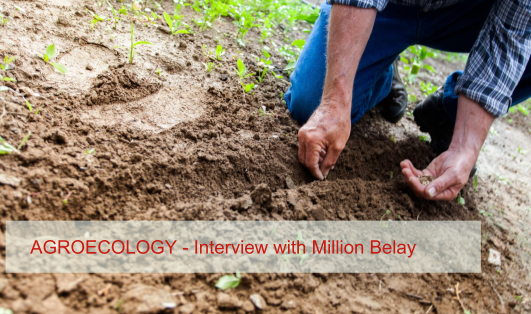
Interview with Million Belay on Agroecology
CONCORD invited Mr. Million Belay to attend the agroecology event “Opportunities and challenges for European development policy” at the European Parliament on March 20th 2018, and to provide a first-hand experience of the positive impact of agroecology on the life and work of smallholder farmers in Africa.

EU country roadmaps for engagement with civil society
In 2018, EU Delegations have been updating the EU country roadmaps for engagement with civil society. During the previous cycle more than 100 country roadmaps were adopted; covering the period 2014-2017. To facilitate the engagement of civil society with the EU Delegations in the process of consultation at country level, CONCORD has designed this briefing paper.

NGO action points: safeguarding against sexual exploitation and abuse in the development sector
At the end of April, CONCORD was invited to discuss the recently highlighted issue of sexual misconduct in humanitarian work in the course of a joint workshop with the European Parliament’s DEVE committee. This piece, written by Seamus Jeffreson, CONCORD Director, addresses the issue and action points for EU NGOs.
CONCORD’s 2017 Annual Report
What did 2017 bring to the development sector in Europe? The annual report of CONCORD encloses the biggest achievements of our Confederation in the field of development aid and reports on the main statutory elements needed for a transparent and accountable constituency.
EU Budget: development aid low-ranked in favour of EU’s own political interests
Today, the European Commission released its communication on the Multi-annual Financial framework (2021-2027). CONCORD welcomes the budget dedicated to external actions, but raises concern on the merge of external instruments allocated to development aid that will put aid objectives in jeopardy.

CONCORD’s initial reaction to EU report on financing for development
On 23 April 2018, the EU presented its first report on financing for development in years at the UN FFD Summit in New York. CONCORD welcomes this opportunity for greater transparency on the EU’s efforts to support the realisation of the 2030 Agenda.
Future EU Budget: CONCORD’s reaction to the single External Instrument proposal
Ahead of the European Commission’s communication on the future EU budget, CONCORD reacts to the proposal of a single External Instrument. By merging 12 instruments into one in the next Multi-annual Financial Framework, the EU would not live up to its commitments on sustainable development.

System failure exposed: aid shrinks as refugee costs decrease
For the first time since 2012, total aid has globally decreased (by 0.6%); according to the latest statistics of the OECD Development Assistance Committee (DAC). This drop can be explained by the decline of in-donor refugee costs reported as aid (-13.6% on 2016).